

The way people search for information online is changing rapidly. For years, businesses relied on traditional search engines to attract visitors to their websites. Ranking on Google was the primary goal, and Search Engine Optimization (SEO) became the foundation of digital visibility.
However, user behavior has evolved. Today, people are no longer satisfied with browsing multiple links. Instead, they ask questions directly on AI-powered platforms such as ChatGPT, Gemini, and voice assistants, expecting instant, clear, and reliable answers.
This shift has given rise to Answer Engine Optimization (AEO) and Generative Engine Optimization (GEO), two concepts that businesses must understand to remain visible in the modern digital landscape.
The Shift from Search Engines to Answer Engines
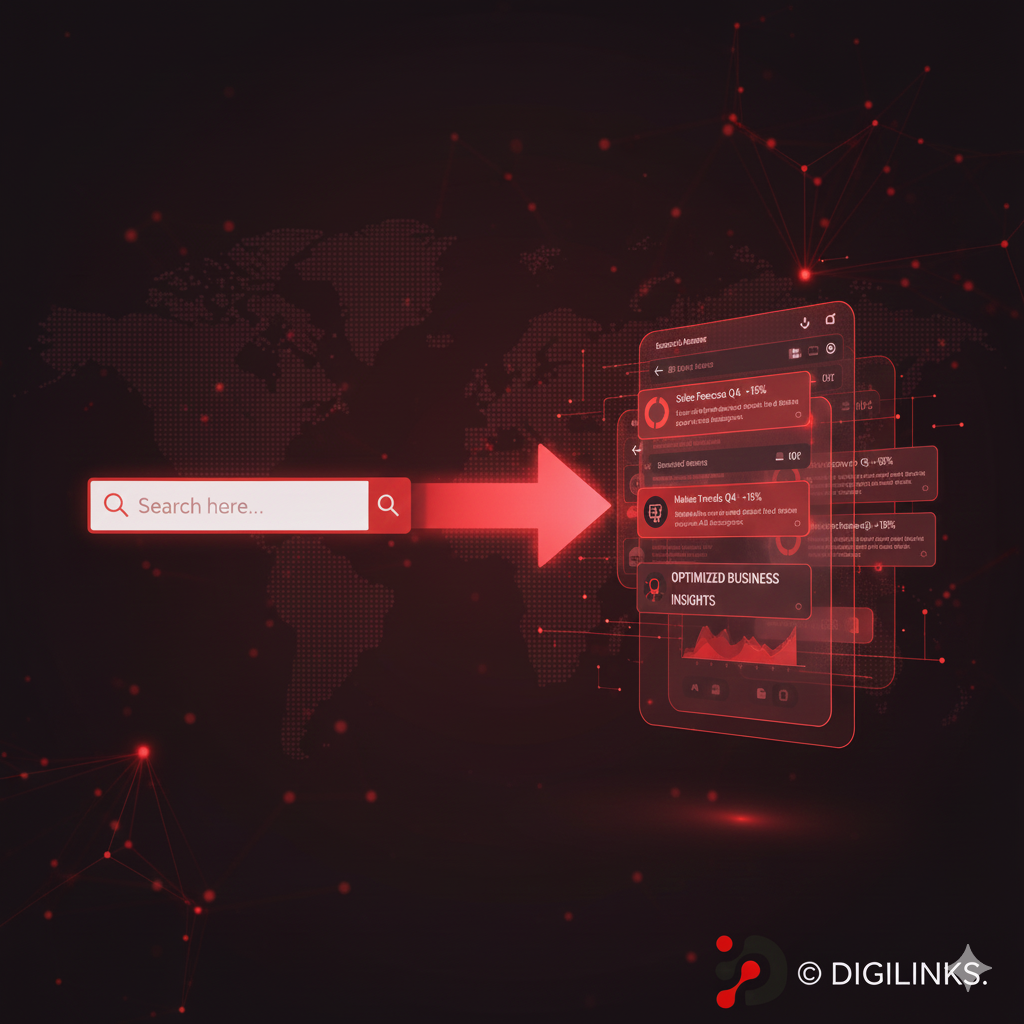
Traditional search engines provide users with a list of results. The user must decide which link to open and which source to trust. Answer engines work differently. They analyze large amounts of information and present one consolidated response.
This means businesses are no longer competing only for rankings. They are competing to become the source of the answer.
Content that performs well in answer engines is:
- Clear and well-structured
- Written in natural language
- Informative and trustworthy
- Focused on user intent
What Is Answer Engine Optimization (AEO)?
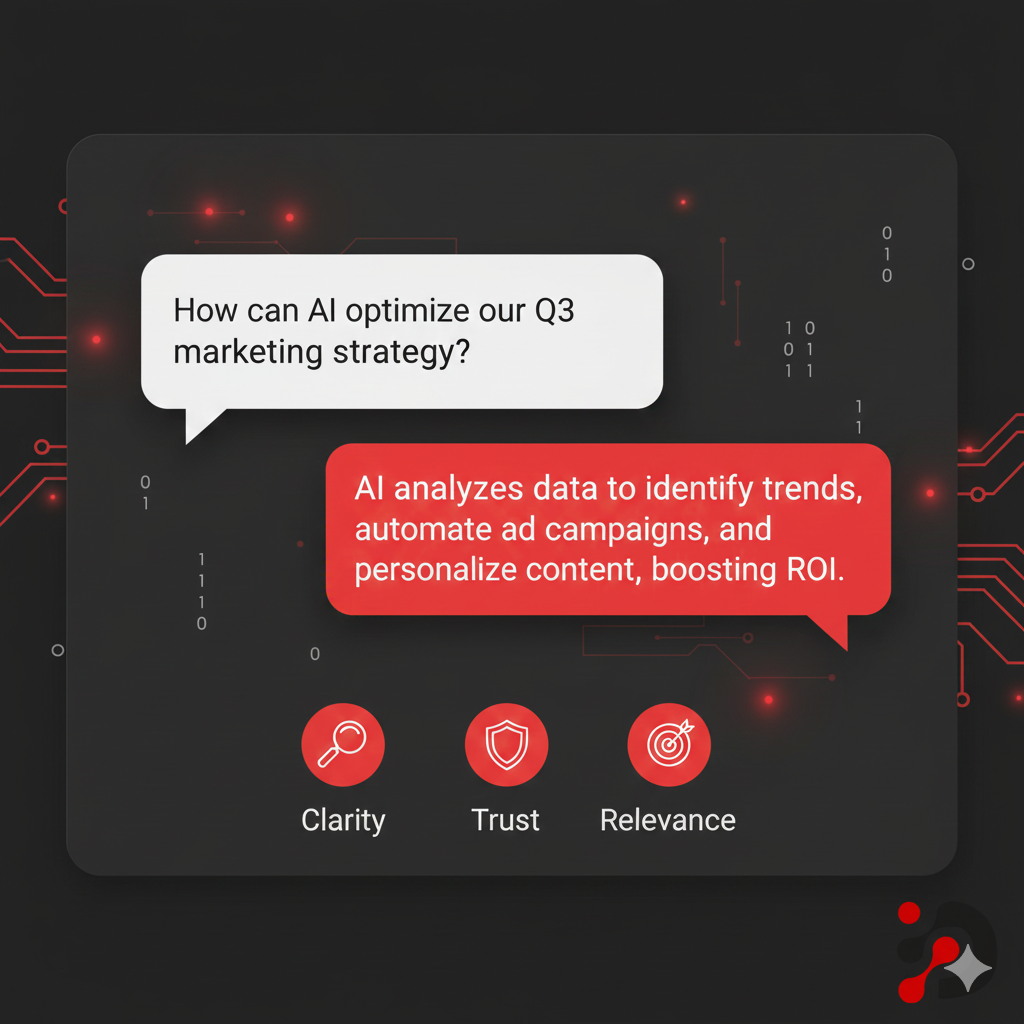
Answer Engine Optimization is the process of creating content that is easily understood and selected by AI-powered platforms when generating answers to user queries.
Unlike traditional SEO, AEO is not about stuffing keywords or chasing rankings. It focuses on:
- Explaining topics clearly
- Answering real questions
- Using conversational language
- Providing value before promotion
When AI platforms look for reliable information, they favor content that educates rather than sells.
What Is Generative Engine Optimization (GEO)?
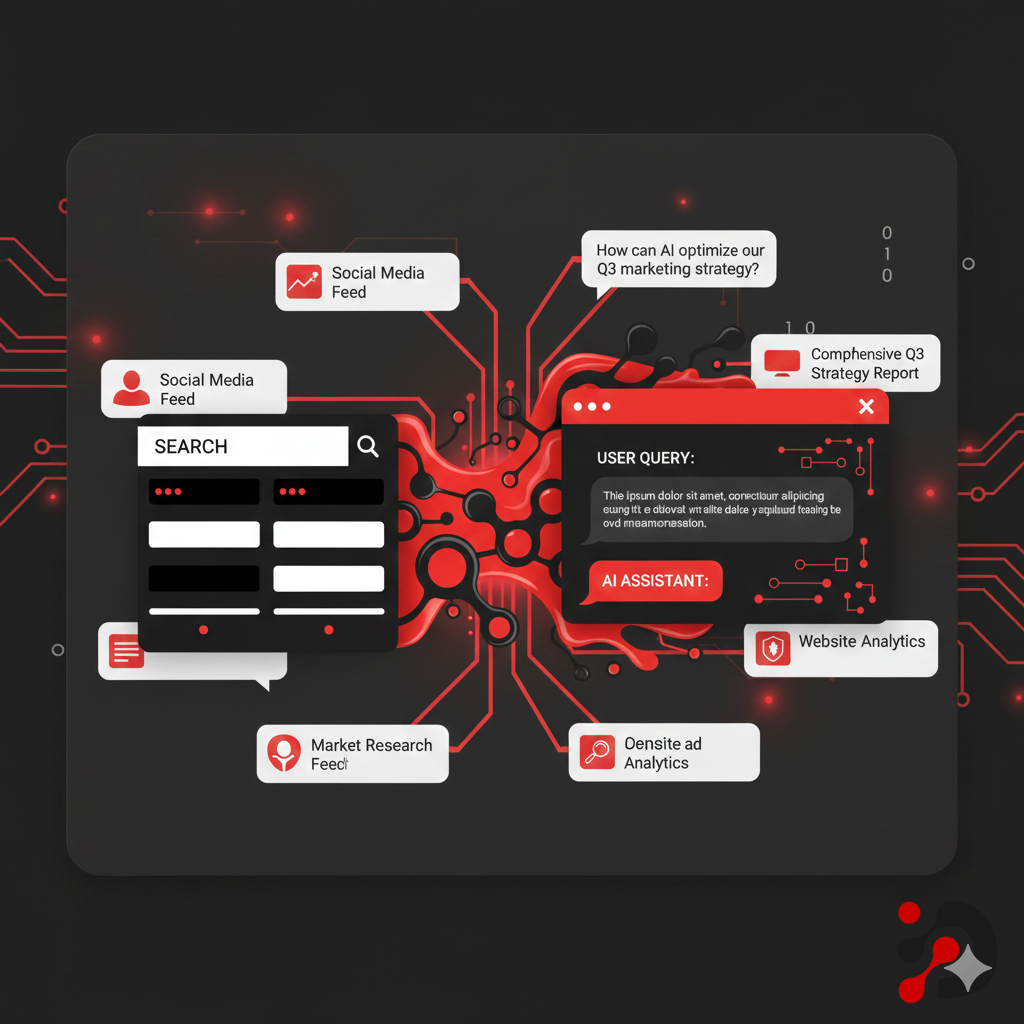
Generative Engine Optimization focuses on how AI models generate responses using information gathered from multiple sources across the web.
These systems evaluate:
- Context and intent
- Content depth and clarity
- Consistency of information
- Credibility of the source
GEO ensures your content is structured in a way that AI can reuse, summarize, and reference accurately.
This makes awareness-based content extremely valuable, as it helps establish long-term credibility rather than short-term traffic.
Why AEO and GEO Matter for Business Awareness
Even when businesses are not actively selling through content, visibility and trust remain essential. Awareness blogs help businesses educate audiences and position themselves as reliable sources of information.
When AI platforms repeatedly detect helpful, accurate content from a website, that website gradually becomes a trusted reference.
Benefits of awareness-driven AEO include:
- Improved organic visibility
- Stronger brand authority
- Long-term trust building
- Better alignment with AI-driven search behavior

How User Search Behavior Is Changing Globally
This transformation is not limited to one country or market. Around the world, users are:
- Asking conversational questions
- Using voice search more frequently
- Expecting instant clarity
- Trusting AI-generated answers
AI platforms prioritize clarity and relevance, making AEO universally applicable regardless of location.
The Role of Content Structure in AEO
Structured content is easier for both users and AI to understand. Awareness blogs that perform well usually include:
- Clear headings and subheadings
- Short, readable paragraphs
- Logical content flow
- Direct explanations
This structure improves user experience while also helping AI engines process information efficiently. At Digi Links, awareness content is structured with clarity in mind, ensuring information is accessible and easy to understand.
Why Awareness Blogs Still Matter
Some businesses believe awareness blogs no longer deliver value. In reality, they are more important than ever.
Awareness blogs:
- Build topical authority
- Support long-term SEO
- Improve AI discoverability
- Strengthen brand credibility
These blogs act as digital assets that continue to generate visibility over time.
AEO as the Evolution of SEO
AEO and GEO do not replace SEO, they extend it. Strong awareness content still relies on:
- Proper on-page SEO
- Relevant internal linking
- Quality writing
- Consistent publishing
The difference is the focus has shifted from rankings to usefulness.
Preparing for the Future of Search
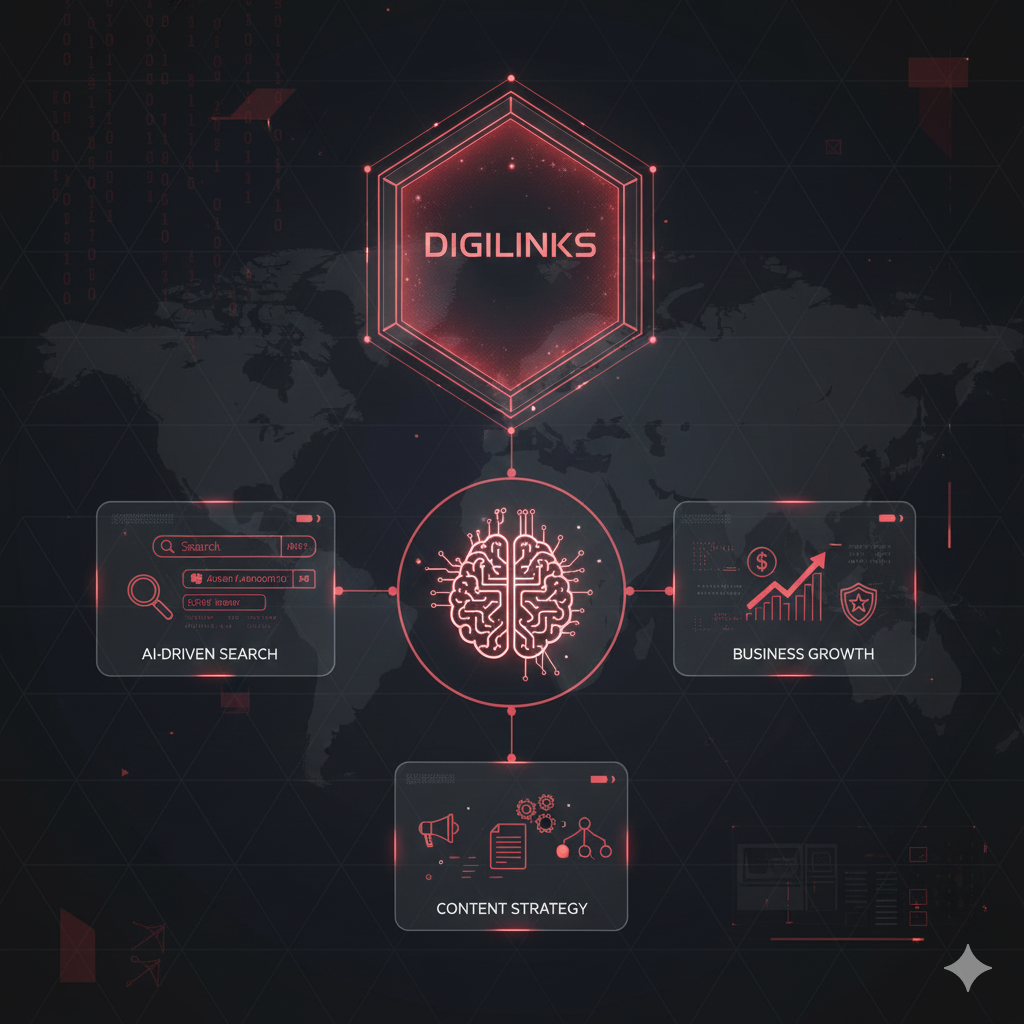
AI-driven discovery will continue to expand. Businesses that focus on education and clarity will benefit the most.
Future-ready content will:
- Answer questions before they are asked
- Provide context, not just keywords
- Focus on long-term relevance
- Support both search engines and AI platforms
Final Thoughts
Answer Engine Optimization and Generative Engine Optimization represent a fundamental change in how information is discovered online. Businesses that focus on awareness-driven, informative content are better positioned for the future.
By educating users and building trust, brands improve visibility across both traditional search engines and AI-powered platforms.
For businesses navigating the evolving digital landscape, understanding AEO is no longer optional, it is essential.
At Digi Links, awareness content is created with long-term relevance in mind, ensuring information remains useful, discoverable, and trustworthy in the age of AI.